High blood pressure: what is normal and when should you take action?
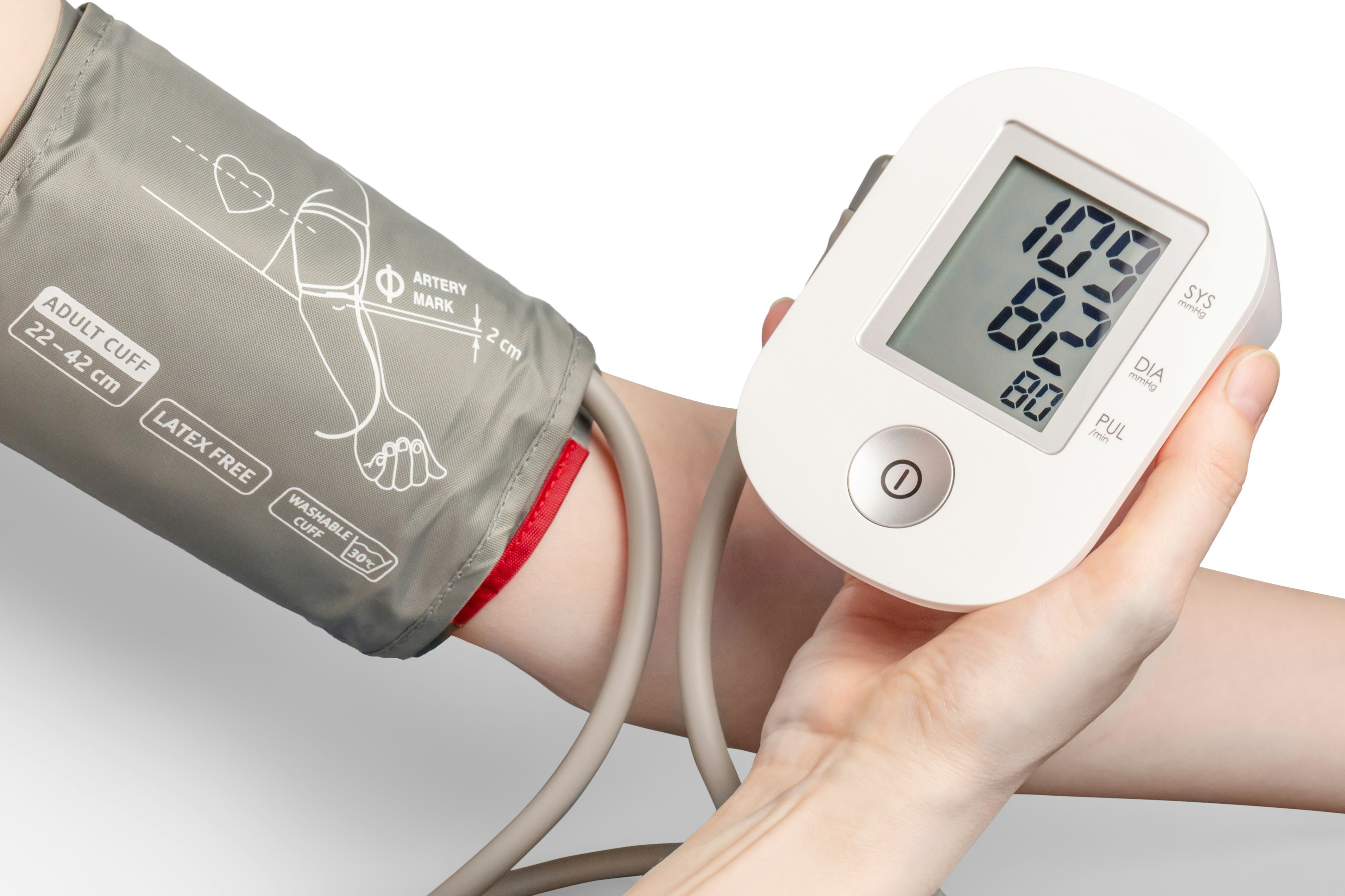
Blood pressure is one of the few health indicators you can measure yourself at home in a few minutes. Yet many people do not really know what their readings actually mean. Is 135 over 88 high? Is 95 over 60 actually too low? And when is it a reason to see the GP, or even go to the emergency room?
Summary
What is normal blood pressure?
A blood pressure measurement consists of two numbers. The first, higher number is the upper pressure or systolic blood pressure: the pressure in the blood vessels when the heart contracts. The second number is the lower pressure or diastolic blood pressure: the pressure when the heart relaxes between two heartbeats.
For adults under 70 years of age, general practitioners generally consider repeated measurements in the consulting room to indicate high blood pressure if the upper pressure is 140 mmHg or higher. For people over 70 years of age, a threshold of 150 mmHg is usually applied. The assessment also depends on a person's health, medication, and risk of cardiovascular disease.
For home measurements, the threshold is lower. For people under 70 years of age, an average home measurement lower than 135 mmHg is considered a good upper pressure. From the age of 70, an average upper pressure lower than 145 mmHg is generally maintained. Diastolic pressure is included in the assessment, but especially in older people, systolic pressure is often the determining factor.
A single measurement is insufficient to determine whether someone has high blood pressure. Blood pressure changes throughout the day and can rise temporarily due to, for example, exertion, stress, smoking, or caffeine. Therefore, blood pressure is measured multiple times, possibly at home over a period of one week or with a 24-hour measurement.
High blood pressure: how does it develop and what does it mean?
In most people, no single cause for high blood pressure can be identified. Hereditary predisposition, aging, being overweight, high salt intake, lack of exercise, and excessive alcohol consumption can contribute to its development. Certain medications, such as NSAIDs, prednisone, and sometimes the contraceptive pill, can also raise blood pressure.
Sometimes high blood pressure is caused by an underlying condition, for example, of the kidneys or hormonal balance. A doctor can investigate this further if the blood pressure develops at a young age, is suddenly significantly elevated, or remains high despite treatment.
You usually don't notice anything from high blood pressure. Only with very high blood pressure can symptoms such as headache, nausea, dizziness, or blurred vision occur. Long-term high blood pressure increases the risk of, among other things, stroke, heart attack, heart failure, and kidney damage. How great that risk is also depends on factors such as age, smoking, cholesterol, diabetes, and any existing heart, vascular, or kidney diseases.
Low blood pressure: when is it a problem?
There is no universal limit below which blood pressure is too low for everyone. A systolic pressure around or below 90 mmHg can be low, but some people naturally have low blood pressure and experience no symptoms from it. In that case, treatment is usually not necessary.
Symptoms that may occur with low blood pressure include:
- dizziness or lightheadedness;
- black spots or blurred vision;
- nausea;
- fatigue;
- unsteady walking or fainting.
These symptoms often occur when sitting up or standing. If the blood pressure drops significantly during this, it may be a case of orthostatic hypotension.
Low blood pressure accompanied by symptoms can be associated with, among other things, dehydration, blood loss, pregnancy, heart problems, or medications such as diuretics and other blood pressure-lowering drugs. Blood pressure can also drop temporarily after a large meal, especially in the elderly.
Suddenly low blood pressure can sometimes indicate a serious condition, for example, significant blood loss or serious illness. Call your GP or the out-of-hours GP service immediately in case of blood loss, black stools, or a sudden, severely low blood pressure accompanied by severe symptoms. Call 112 if you faint in combination with chest pain, severe shortness of breath, severe blood loss, or acute neurological deficits.
When should you seek help for high blood pressure?
A single elevated reading is usually not an emergency if it is within limits. First, sit down quietly and measure again. The urgency is determined not only by the number, but also by symptoms and what is usual for you.
Call 112 in case of:
- chest pain or pressure;
- sudden severe pain between the shoulders;
- severe shortness of breath;
- a crooked mouth, paralyzed arm or paralyzed leg;
- suddenly being unable to speak properly.
Contact your GP or GP out-of-hours service immediately if:
- your systolic pressure is higher than 180 mmHg and you have symptoms, such as headache, nausea, blurred vision or severe dizziness;
- your blood pressure is suddenly much higher than normal and you have symptoms;
- your systolic pressure is higher than 200 mmHg;
- your diastolic pressure is higher than 120 mmHg, this is higher than normal for you and the value that day remains so high.
If your systolic pressure remains between 180 and 200 mmHg without symptoms and this is higher than you are used to, contact your GP within a week.
How do you measure your blood pressure correctly?
Preferably use a validated blood pressure monitor with a suitable cuff around the upper arm. Wrist monitors and smartwatches are usually less suitable for a reliable medical assessment.
Do something quiet in the half hour before the measurement. Do not exercise or smoke, and do not drink coffee, energy drinks, or other caffeinated beverages.
Then measure as follows:
- Sit upright on a chair with your back supported and your feet side by side on the floor.
- First, sit quietly for at least five minutes and do not talk.
- Place your arm down in a relaxed, supported position.
- Ensure the cuff is around your bare upper arm.
- Do not talk or move during the measurement.
- Record the systolic pressure, diastolic pressure, and heart rate.
- Wait two minutes and measure again.
For home measurements, it is often advised to measure twice in the morning and twice in the evening for one week. Then, assess the average of the measurements, not a single result.
During an initial professional assessment, blood pressure is measured on both arms. If a relevant difference persists, the arm with the highest value is usually used afterwards.
What can you do yourself?
For high blood pressure
Living a healthier lifestyle can lower blood pressure and also reduces the overall risk of cardiovascular disease:
- eat healthily and use as little salt as possible;
- exercise at a moderate intensity for at least 2.5 hours per week and do not sit for too long at a time;
- try to lose weight if you are overweight;
- preferably do not drink alcohol;
- stop smoking;
- discuss prolonged stress and sleep problems if these affect your health.
Quitting smoking not only lowers the risk via blood pressure, but is especially important because smoking causes direct damage to the heart and blood vessels.
For low blood pressure with symptoms
- Stand up slowly and sit down for a moment before standing up.
- Sit down or lie down again if you become dizzy or blurry vision.
- Drink plenty of fluids, usually about 1.5 liters per day and more in hot weather, with heavy sweating, vomiting, or diarrhea.
- Exercise regularly and avoid prolonged bed rest.
- Eat smaller amounts spread throughout the day if symptoms occur mainly after meals.
- Do not change blood pressure medication yourself, but discuss this with your GP.
Do not take extra salt on your own initiative. According to Thuisarts, regular food generally already contains sufficient salt. Compression stockings can sometimes help with orthostatic symptoms if other measures are insufficient, but discuss this with your GP first.
When is further investigation useful?
Blood pressure itself is measured with a blood pressure monitor. A blood test cannot detect high blood pressure.
In the event of repeatedly elevated blood pressure, the GP assesses the overall risk of cardiovascular disease. In addition, blood tests can be performed for:
- cholesterol;
- blood glucose;
- kidney function.
Urine tests can also be performed to assess whether there are indications of kidney damage. The results are combined with, among other things, age, blood pressure, smoking status, medical history, and any medication use.
Therefore, having cholesterol or glucose determined individually does not automatically provide a complete picture of cardiovascular health. In the event of recurrent elevated blood pressure, it is wiser to discuss the overall risk assessment with the general practitioner or practice nurse. According to Thuisarts, blood tests for cholesterol, glucose, and kidney function, as well as urine analysis, are part of the possible additional assessment.
Conclusion
Blood pressure changes constantly. Therefore, a single abnormal measurement does not immediately mean that there is high or low blood pressure. Repeated, correctly performed measurements provide a more reliable picture.
Prolonged elevated blood pressure increases the risk of cardiovascular disease, especially when other risk factors are also present. In the case of repeated elevated blood pressure, the GP can therefore assess not only the blood pressure but also the total cardiovascular risk. Low blood pressure does not need to be treated if there are no symptoms.
Published: August 25, 2026
Author
The team at zample™
References
- Thuisarts. Ik ben zwanger en mijn bloeddruk is te hoog. 2026 . https://www.thuisarts.nl/zwanger-en-hoge-bloeddruk/ik-ben-zwanger-en-mijn-bloeddruk-is-te-hoog
- Thuisarts. Mijn bloeddruk is te hoog. 2026 . https://www.thuisarts.nl/hoge-bloeddruk/mijn-bloeddruk-is-te-hoog
- Thuisarts. Ik heb een lage bloeddruk. 2026 . https://www.thuisarts.nl/lage-bloeddruk/ik-heb-lage-bloeddruk
- Thuisarts. Ik ga zelf thuis mijn bloeddruk meten. 2026 . https://www.thuisarts.nl/hoge-bloeddruk/ik-ga-zelf-thuis-mijn-bloeddruk-meten